


How does a telescope work?

Here’s a table highlighting the structural differences between plant cells and animal cells: Feature Plant Cells Animal Cells Cell Wall Present, made of cellulose, providing structural support and protection. Absent, only a flexible plasma membrane. Chloroplasts Present, contain chlorophyll for photRead more
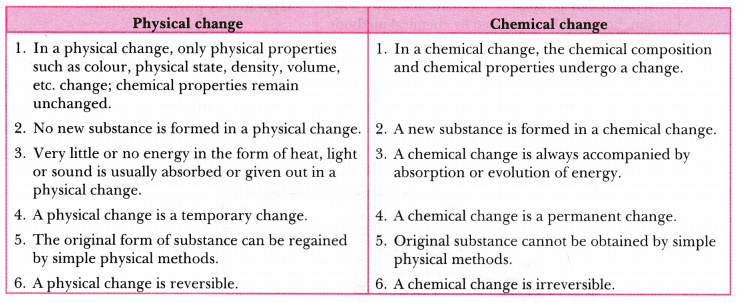
Here’s a table highlighting the structural differences between plant cells and animal cells:
| Feature | Plant Cells | Animal Cells |
|---|---|---|
| Cell Wall | Present, made of cellulose, providing structural support and protection. | Absent, only a flexible plasma membrane. |
| Chloroplasts | Present, contain chlorophyll for photosynthesis. | Absent, do not perform photosynthesis. |
| Shape | Usually regular, rectangular, or cubic due to the rigid cell wall. | Typically irregular or rounder due to the lack of a rigid cell wall. |
| Vacuole | Large central vacuole present, helps maintain cell rigidity and stores nutrients and waste. | Small, temporary vacuoles present, mainly for storage and transport. |
| Plasma Membrane | Present, located inside the cell wall. | Present, forms the outermost boundary of the cell. |
| Centrioles | Absent in most plant cells. | Present, play a role in cell division. |
| Lysosomes | Rarely present or absent; digestive processes are often handled by the vacuole. | Present, contain enzymes for breaking down waste materials. |
| Cytoplasm | Present, fills the cell interior, supporting organelles. | Present, similar function. |
| Nucleus | Present, typically located towards the periphery due to the large central vacuole. | Present, usually located in the center of the cell. |
| Mitochondria | Present, site of cellular respiration and energy production. | Present, same function. |
| Ribosomes | Present, sites of protein synthesis. | Present, same function. |
| Golgi Apparatus | Present, involved in packaging and transporting materials. | Present, same function. |
| Endoplasmic Reticulum | Present (both rough and smooth), involved in protein and lipid synthesis. | Present, similar structure and function. |
These structural differences enable plant and animal cells to perform their specific functions, such as photosynthesis in plants and diverse metabolic activities in animals.
See less





Telescopes use mirrors or lenses to gather and focus light from distant objects, allowing astronomers to see them: Light collection The size of a telescope's main mirror or lens determines how much light it can collect. Larger mirrors or lenses can collect more light and detect fainter objects. LighRead more
Telescopes use mirrors or lenses to gather and focus light from distant objects, allowing astronomers to see them:
See lessLight collection
The size of a telescope’s main mirror or lens determines how much light it can collect. Larger mirrors or lenses can collect more light and detect fainter objects.
Light focusing
The shape of the mirror or lens concentrates light into a single point, called the focal point.
Image magnification
When viewed through a telescope’s eyepiece or camera, the concentrated image appears magnified.
There are several types of telescopes, including:
Refracting telescopes
Use lenses to bend, or refract, light. The first telescopes were refracting telescopes, and many backyard telescopes today are still refracting.
Reflecting telescopes
Use mirrors to collect and focus light. Reflecting telescopes are ideal for space because large mirrors can be made lighter and thinner than lenses of the same size.
Catadioptric telescopes
Combine lenses and mirrors to focus light. These telescopes are typically compact and easy to transport and handle.