


What is the role of the ozone layer in protecting life on Earth?

Plants obtain their nutrients primarily through their roots and leaves. The roots absorb water and mineral nutrients from the soil, including essential elements like nitrogen, phosphorus, potassium, calcium, magnesium, and sulfur. These nutrients dissolve in the soil water, forming a solution that tRead more
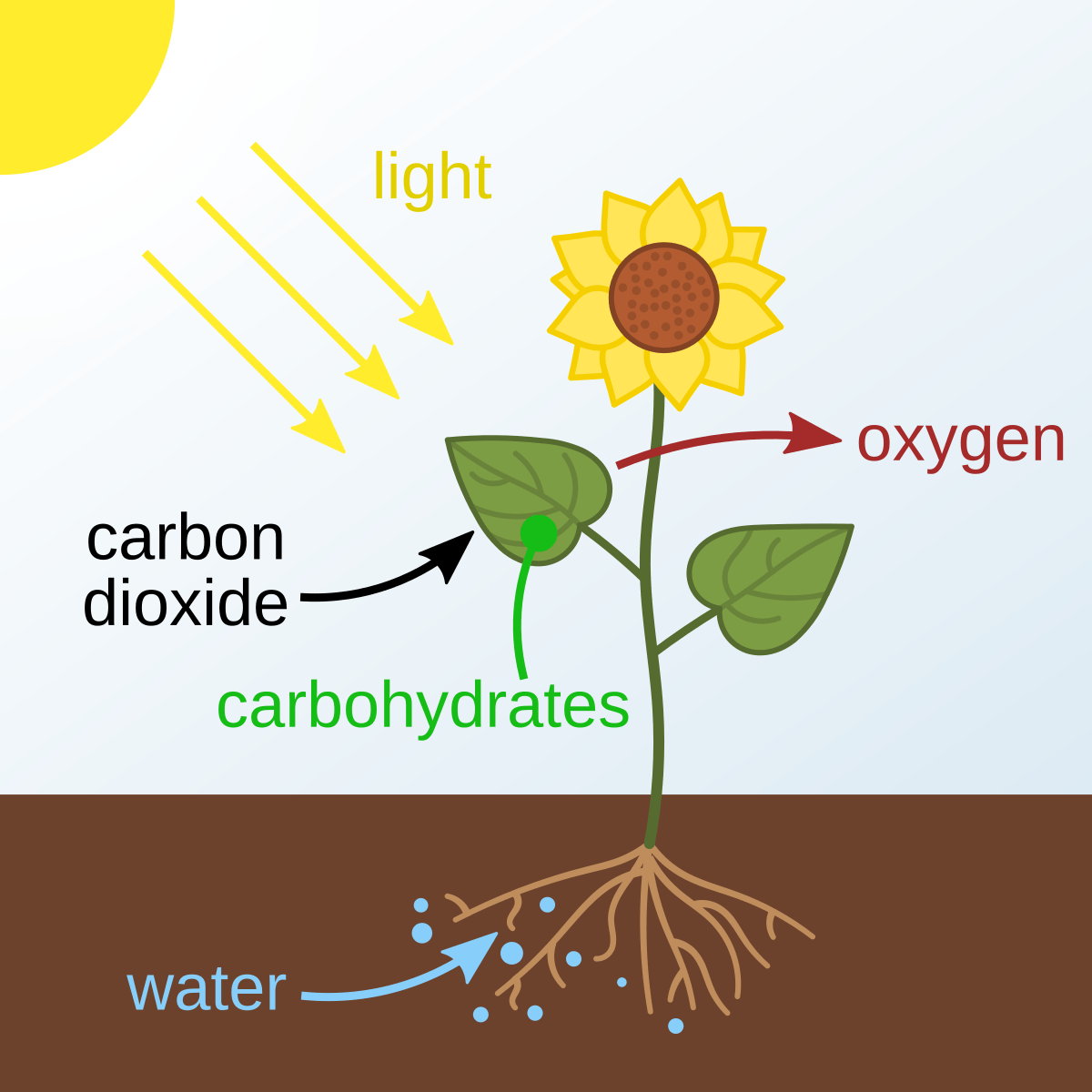
Plants obtain their nutrients primarily through their roots and leaves. The roots absorb water and mineral nutrients from the soil, including essential elements like nitrogen, phosphorus, potassium, calcium, magnesium, and sulfur. These nutrients dissolve in the soil water, forming a solution that the roots take up through tiny root hairs. Plants also absorb carbon dioxide from the atmosphere through small pores in their leaves called stomata. Using sunlight as energy, they combine carbon dioxide and water in the process of photosynthesis to produce glucose, which serves as their primary energy source. Additionally, some plants form symbiotic relationships with fungi (mycorrhizae) or nitrogen-fixing bacteria to enhance nutrient uptake. Together, these processes ensure plants receive the necessary components for growth, development, and reproduction.
See less








The ozone layer plays a critical role in protecting life on Earth by absorbing harmful ultraviolet (UV) radiation from the Sun. Here's how it functions and why it is essential: 1. Absorbing Harmful UV Radiation The ozone layer, located in the stratosphere (approximately 10-30 km above Earth), contaiRead more
The ozone layer plays a critical role in protecting life on Earth by absorbing harmful ultraviolet (UV) radiation from the Sun. Here’s how it functions and why it is essential:
1. Absorbing Harmful UV Radiation
2. Protecting Living Organisms
3. Preserving Ecosystems
4. Maintaining Climate Stability
5. Preventing DNA Damage
Threats to the Ozone Layer
Human activities, such as the release of chlorofluorocarbons (CFCs) and other ozone-depleting substances (ODS), have historically caused significant thinning of the ozone layer, especially over Antarctica (the “ozone hole”). International efforts like the Montreal Protocol have been successful in reducing ODS emissions, leading to gradual recovery of the ozone layer.
See less