

What would you do if you had unlimited time and resources?

My top three priorities in life right now are health, family and friends, and education. Health is my top priority because I believe that physical and mental well-being form the foundation for a fulfilling life. Taking care of my health allows me to have the energy, focus, and positivity needed to pRead more
My top three priorities in life right now are health, family and friends, and education.
Health is my top priority because I believe that physical and mental well-being form the foundation for a fulfilling life. Taking care of my health allows me to have the energy, focus, and positivity needed to pursue my goals and responsibilities.
Family and friends come next, as they provide the emotional support, love, and companionship that make life meaningful. Spending quality time with loved ones, supporting them in their endeavors, and nurturing these relationships is essential to my happiness and personal growth.
Finally, education is a priority because I am passionate about continuous learning and using knowledge to create positive change. Whether it’s through personal growth or professional development, education empowers me to make informed decisions and contribute to the betterment of society.
These three priorities shape my life, and I strive to maintain a balanced approach to all of them.
See less




If I had unlimited time and resources, my focus would be on bringing about social reform through education. My goal would be to ensure that every individual, regardless of their economic, social, or geographical background, has access to quality education. I would start by working towards providingRead more
If I had unlimited time and resources, my focus would be on bringing about social reform through education. My goal would be to ensure that every individual, regardless of their economic, social, or geographical background, has access to quality education.
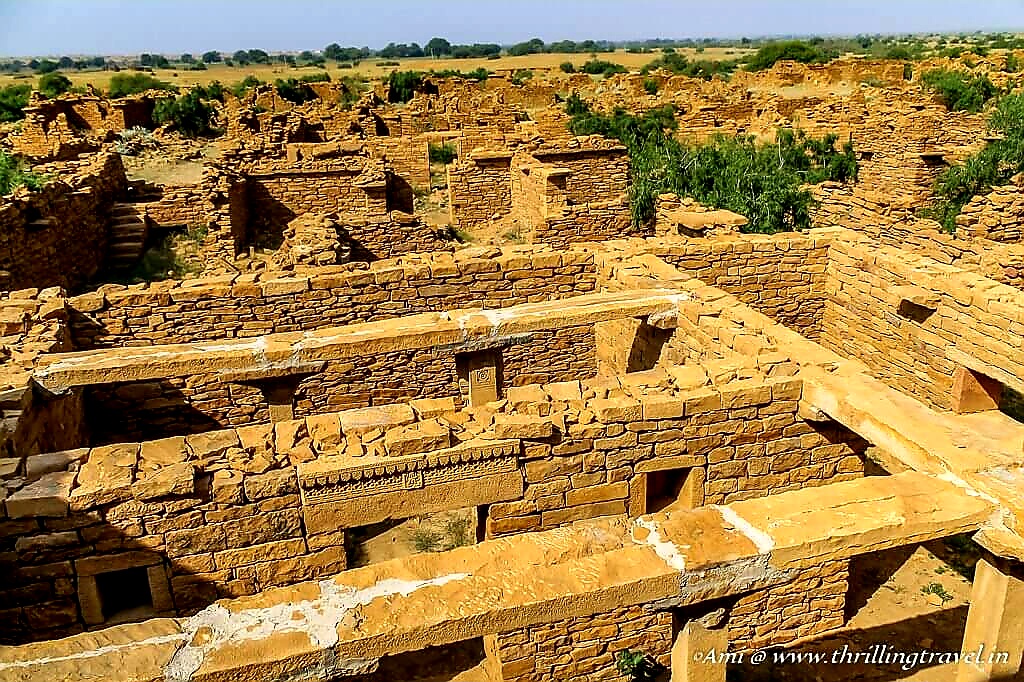
I would start by working towards providing equal educational opportunities, particularly in rural areas, backward regions, and urban slums, where children often miss out on education. I would establish schools and learning centers that not only provide academic education but also teach life skills, moral values, and career guidance, helping children build a holistic future.
Furthermore, I would initiate a strong movement to reform the education system, making it more inclusive, progressive, and adaptable to the changing world. This would involve incorporating practical knowledge, fostering critical thinking, and encouraging creativity. The ultimate aim would be to empower the youth, provide them with the tools to succeed, and create a more enlightened, equal, and progressive society.
One key tool I would use to achieve this vision is Qukut, a platform where individuals can share knowledge, ask questions, and engage in meaningful discussions. Qukut can serve as a bridge to connect experts, teachers, and learners from diverse backgrounds, facilitating a continuous exchange of ideas and knowledge. It would provide an opportunity for people to not only learn from one another but also contribute to the educational growth of society. Through Qukut, I aim to create a global community of learners and educators who are committed to spreading knowledge and creating positive change.
See less